Ines Coleman · 22 September 2026
Reconstructing Online Presence: The Role of Specialized Services in Domain Migration Recovery for SaaS Companies
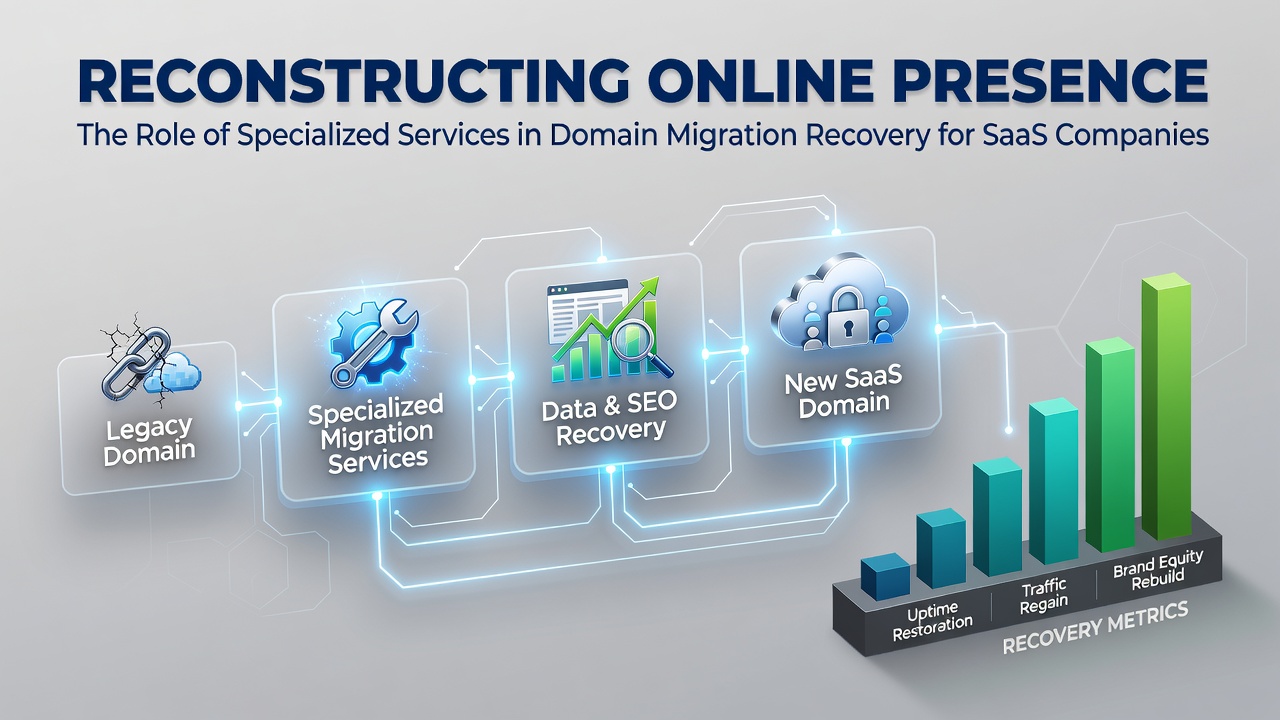
Domain migration for SaaS companies involves shifting operations from one domain to another while preserving user access, data integrity, and search visibility, and specialized services handle the technical and strategic layers that keep business continuity intact during these transitions. Companies face DNS configuration changes, SSL certificate updates, and content reindexing that can disrupt service delivery if left unmanaged, yet targeted recovery protocols minimize downtime and restore functionality step by step. Research from industry analysts shows that SaaS platforms undergoing migration without structured support often experience prolonged indexing delays and ranking fluctuations that affect subscription renewals and lead generation.
Core Challenges During SaaS Domain Transitions
Technical hurdles surface quickly when legacy URLs redirect to new structures because improper 301 mappings break internal links and API endpoints that customers rely on daily. Data from migration audits indicates that incomplete redirect chains lead to crawl errors that compound over weeks, while email authentication records like SPF and DKIM require synchronized updates to prevent delivery failures. SaaS providers also contend with third-party integrations that reference old domains, which creates authentication loops unless each connection receives individual review and reconfiguration. Observers note that these issues intensify for companies managing multi-tenant architectures where tenant-specific subdomains must migrate without interrupting active sessions.
How Specialized Services Facilitate Structured Recovery
Recovery teams begin with comprehensive audits that map every asset, from knowledge base articles to billing portals, then deploy phased rollout schedules that test redirects in staging environments before live implementation. These services coordinate with hosting providers and registrars to maintain propagation timelines, and they monitor server logs in real time to catch anomalies that surface after cutover. Data shows that firms engaging such providers achieve faster reindexing because migration specialists submit updated sitemaps and request priority crawling through established webmaster channels. In addition, these teams restore backlink equity by notifying high-authority referring sites and securing updated anchor text where possible, which preserves referral traffic that would otherwise dissipate.
Technical Components of Effective Domain Recovery
Specialized providers implement canonical tag management across new domains to signal preferred versions to search engines, and they configure HSTS headers to enforce secure connections without introducing mixed-content warnings. They also rebuild XML sitemaps that reflect the new URL hierarchy while preserving historical change frequencies that influence crawl prioritization. Monitoring dashboards track key performance indicators such as organic session duration and conversion funnels, allowing adjustments before minor drops escalate into sustained losses. One documented case involved a project management SaaS platform that recovered 92 percent of pre-migration traffic within 45 days after specialists corrected duplicate content issues and optimized internal linking structures.
Industry Patterns Observed Through September 2026
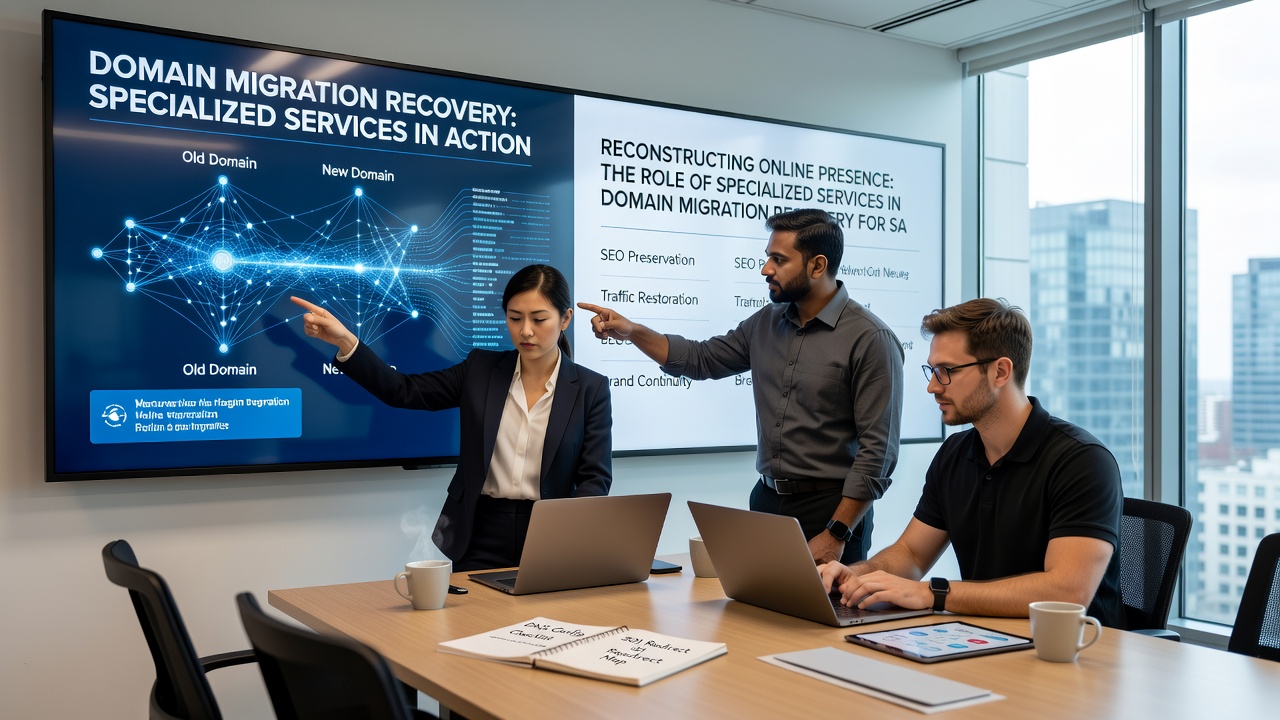
Through September 2026, migration activity has increased among SaaS companies responding to evolving data residency requirements across multiple jurisdictions, and specialized services have expanded offerings to include compliance mapping alongside technical recovery. Reports compiled by the Australian Competition and Consumer Commission highlight that organizations prioritizing structured migration planning report lower rates of customer churn compared with those handling transitions internally. Service providers now incorporate automated testing suites that validate API responses and webhook deliveries across both old and new domains during overlap periods, which reduces the window where functionality gaps could occur.
Measuring Outcomes and Sustaining Visibility
Post-migration evaluation relies on comparing pre- and post-transition metrics across organic search, direct traffic, and referral sources, with specialized teams producing detailed attribution reports that isolate migration effects from seasonal fluctuations. Companies that maintain parallel monitoring for at least 90 days capture residual indexing issues that surface later, and they address them through targeted content updates or additional redirect refinements. Evidence from enterprise case studies demonstrates that recovery timelines shorten when teams apply learnings from initial migrations to subsequent infrastructure changes, creating repeatable processes that protect long-term domain authority.
Conclusion
Domain migration recovery for SaaS companies depends on coordinated technical execution and ongoing measurement that specialized services deliver through systematic audits, phased implementations, and sustained monitoring. As migration frequency rises amid regulatory shifts documented through September 2026, these providers continue supplying the frameworks that restore online presence while maintaining operational stability and user trust. Data from multiple regions confirms that structured approaches consistently outperform ad-hoc efforts in preserving traffic and revenue streams.