Mara Long · 7 October 2026
Navigating Platform Transitions: Gatewell's Framework for Sustaining Audience Connections in Evolving Digital Landscapes
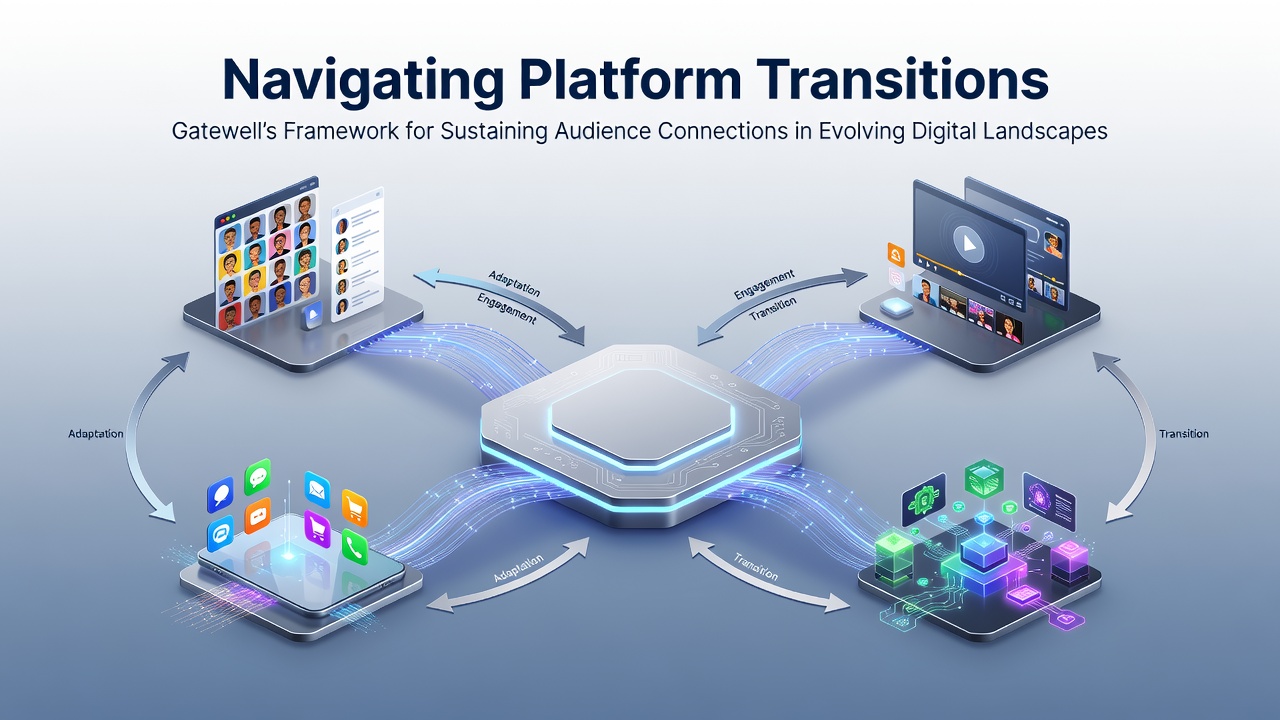
Platform transitions occur when companies shift between digital environments such as social networks, content management systems, or domain infrastructures, and data from multiple studies shows these changes often disrupt audience engagement metrics within the first 90 days. Gatewell developed its framework to address these disruptions through structured phases that prioritize connection maintenance while organizations adapt to new technical requirements and user behaviors. Researchers at academic institutions tracking digital migrations note that firms applying systematic approaches retain higher percentages of their user bases compared to those managing transitions ad hoc.
Current Landscape of Digital Platform Changes
Digital platforms evolve rapidly through algorithm updates, regulatory mandates, and corporate acquisitions, with observers noting that October 2026 brings additional compliance layers from multiple jurisdictions that affect data handling and audience targeting rules. Companies in SaaS and technology sectors face these shifts regularly, and figures from industry reports indicate that audience drop-off rates can reach 40 percent when transitions lack coordinated strategies. Gatewell's framework emerged from analysis of these patterns, focusing on methods that map existing connections and replicate them across new environments without relying on single-channel dependencies.
Those who have examined migration cases find that successful transitions hinge on early identification of core audience segments and their preferred interaction points. The framework incorporates tools for tracking engagement signals across platforms, allowing teams to adjust content delivery before metrics decline sharply. Data indicates that organizations using such preparatory steps experience steadier traffic flows during the migration window itself.
Core Elements of the Gatewell Framework
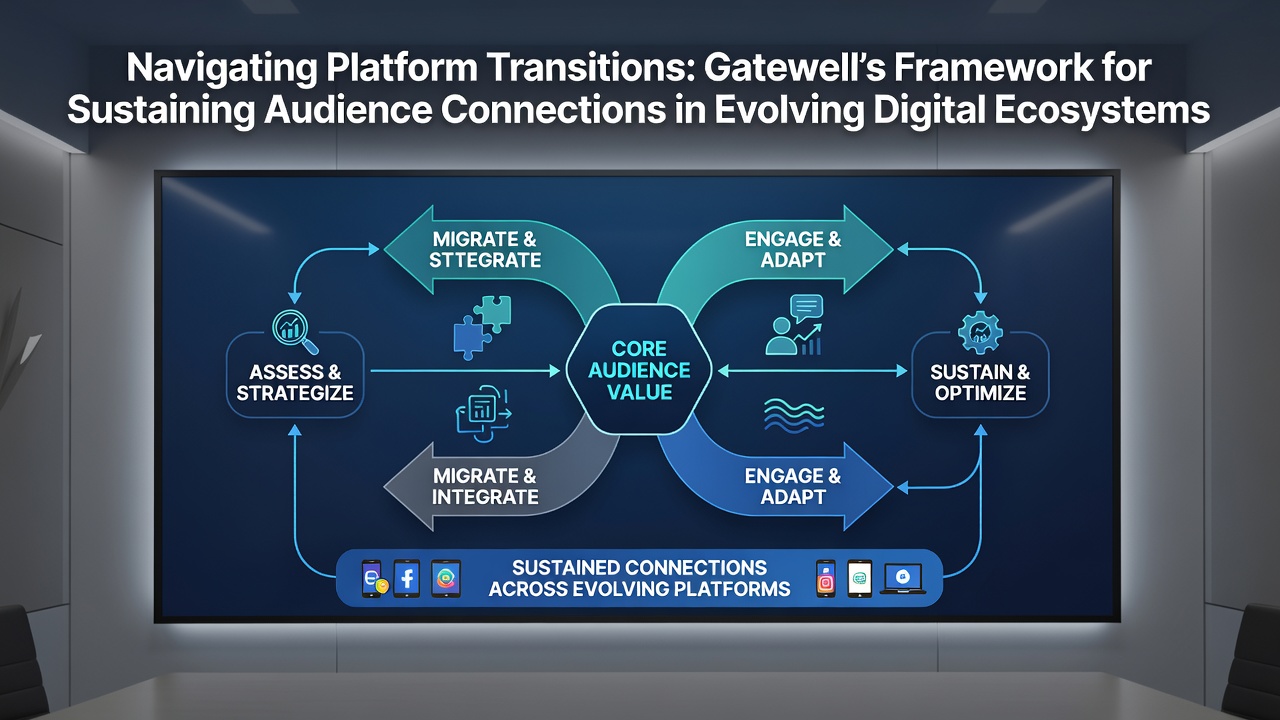
The framework breaks down into sequential stages that begin with comprehensive audience audits and move through content adaptation, technical mapping, and post-transition monitoring. Each stage includes checkpoints where teams verify that connection points remain intact, and experts have observed that this checkpoint system prevents cascading losses that occur when one element fails unnoticed. Companies apply the process to scenarios ranging from domain migrations to full platform switches, and case documentation shows measurable differences in retention when the stages follow the prescribed order.
One documented example involved a technology firm relocating its primary community hub, where application of the framework preserved over 85 percent of active users by rerouting notification systems and maintaining consistent messaging cadence across channels. Researchers tracking these outcomes emphasize that the framework's emphasis on multi-channel redundancy distinguishes it from simpler migration checklists.
Implementation Steps and Supporting Data
Implementation starts with segmentation of user data into behavioral clusters, followed by testing of content formats suited to the destination platform. Teams then establish parallel presence periods where both old and new systems operate simultaneously, which allows for gradual audience redirection. According to a Pew Research Center analysis of platform usage patterns, audiences respond more consistently when transitions include these overlap phases rather than abrupt cutovers.
Monitoring tools within the framework track metrics such as session duration and return frequency, triggering adjustments when thresholds drop. European Commission reports on digital market dynamics highlight how regulatory changes scheduled around October 2026 will require enhanced transparency in these tracking methods, and the Gatewell approach already aligns with such requirements through its built-in documentation protocols. Firms that integrate these monitoring loops report fewer support tickets related to lost access during transitions.
Challenges Addressed by the Framework
Platform transitions introduce variables including API changes, user interface differences, and shifting search visibility, yet the framework provides modular responses for each category. Observers note that API incompatibilities often surface midway through a project, and Gatewell's checkpoint system isolates these issues before they affect the broader audience base. Technical teams using the process document each adaptation, creating records that support future transitions and reduce repeated troubleshooting efforts.
Another frequent challenge involves audience notification fatigue, which the framework mitigates through timed, value-focused communications rather than blanket announcements. Data from multiple migration projects shows that audiences maintain higher interaction levels when updates arrive at predictable intervals and include clear next steps. The framework's communication templates adapt to different audience types, ensuring relevance across segments.
Conclusion
Gatewell's framework supplies a replicable structure for organizations facing platform transitions, with documented outcomes showing sustained audience connections when applied consistently. Its stages integrate audience mapping, technical preparation, and ongoing measurement to address the variables that typically accompany digital shifts. As regulatory and technical landscapes continue evolving into 2026 and beyond, the framework's emphasis on redundancy and verification offers a practical reference for maintaining engagement across changing environments.